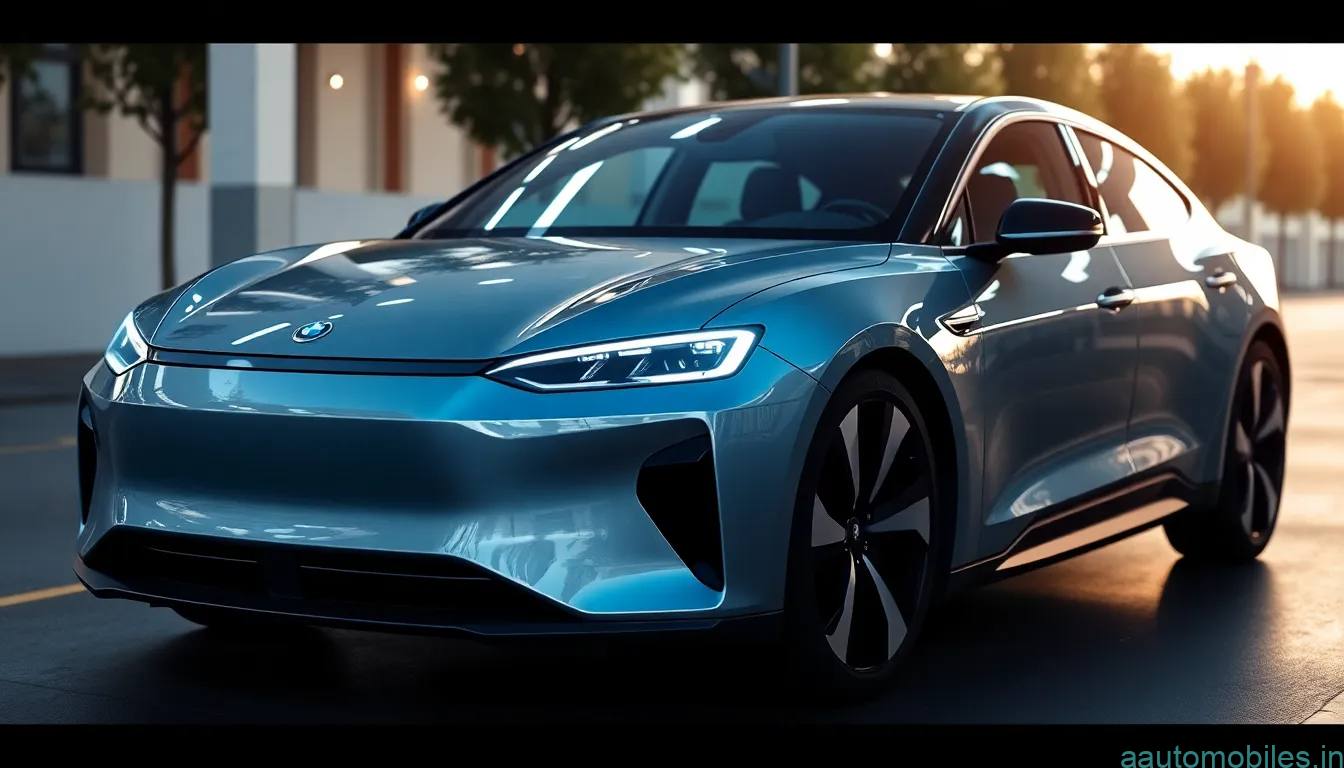

Electric Vehicles (EVs) India में 2025 तक सिर्फ environment-friendly नहीं रहे, बल्कि money-saving choice भी बन चुके हैं। मुख्य वजह है drastically कम running cost, lower maintenance और government incentives। EVs में fuel के बजाय electricity का use होता है, और यह हर km पर पेट्रोल/डीज़ल से बहुत सस्ता पड़ता है। घर पर charging cost लगभग ₹1–₹2/km तक है जबकि पेट्रोल/डीज़ल cars में ₹6–₹8/km खर्च होता है — इससे सिर्फ energy पर ही ₹60,000+ सालाना savings आसानी से हो जाती है।
EVs में engine oil, clutch और complex parts नहीं होते, जिससे maintenance भी 40–60% तक कम होता है। कई states में road tax exemptions, registration fee waivers और central subsidies (like PM E-Drive) buyers को upfront cost भी कम करने में मदद करते हैं।
🔹 1. EV Running vs Petrol/Diesel Cost (2025 India)
Charging Cost (EV): ~₹1.2–₹2/km
Fuel Cost (Petrol): ~₹6.7–₹7.6/km
➡️ Annual Savings: ~₹60,000–₹75,000 केवल energy पर।
✔ Maintenance तुलना
EVs में engine oil change, clutch replacements और frequent brake jobs की ज़रूरत नहीं होती। इसलिए long term maintenance significantly कम रहता है।
🔹 2. Government Incentives & Subsidies
👉 Central Subsidy (PM E-Drive): up to ₹1.5 lakh on eligible EVs
👉 State Incentives: Some states offer ₹2–₹4 lakh tak subsidies + 100% road tax + registration waivers
👉 GST Benefit: EVs पर GST केवल 5% vs petrol/diesel पर 28% + cess
🔹 3. True Cost of Ownership — 5 Year Example
EVs का upfront cost थोड़ा zyada हो सकता है, אבל 5–6 साल में total ownership cost अक्सर कम padta hai, mainly due to:
✔ Electricity vs Petrol/Diesel savings
✔ Lower service costs
✔ Road tax & registration waivers
Long-term ownership EV savings स्पष्ट रूप से दिखते हैं जब आप fuel + maintenance + subsidies के numbers एक साथ compare करते हैं।
🔹 4. Charging & Home Setup Savings Tips
- Home charging best value deta hai — public fast charging थोड़ा expensive (₹15–₹25/unit) होता है।
- Solar rooftop + home charging setup further reduce cost and give real long-term savings.
🔹 5. EV Cost Myth vs Reality
कई लोग सोचते हैं कि EV expensive होते हैं, लेकिन जब आप total cost of ownership देखेंगे including tax, subsidy, fuel और maintenance savings, EV often long-term में cost-effective साबित होते हैं।
EV Charging Cost Calculation (India 2026 Updated)
Electric Vehicle को चार्ज करने का खर्च तीन चीज़ों पर depend करता है:
1️⃣ Battery capacity (kWh)
2️⃣ Electricity tariff (₹ per unit)
3️⃣ Charging losses (10–15%)
India me 2026 average home charging rate approx ₹8 per unit माना जाता है।
🔋 1. Home Charging Cost (AC Charging)
Formula
Charging Cost = Battery Capacity (kWh) × Unit Cost (₹)
Charging Loss Consideration
- AC charging में normal 10–15% loss होता है
- हम 12% average मानकर calculation देंगे
🔌 2026 Example Calculations (Most Popular EV Battery Sizes)
1) 30 kWh Battery (Small/Mid EVs – Tata, MG, etc.)
- Home rate (₹8 per unit)
- Effective units consumed: 30 × 1.12 = 33.6 units
Full Charge Cost = 33.6 × 8 = ₹268.8 ≈ ₹270
Running Cost (₹ per km)
- Avg range: 250 km
→ ₹270 / 250 = ₹1.08 per km
2) 40 kWh Battery (Mid-size EV SUVs)
- Effective units: 40 × 1.12 = 44.8 units
- Cost = 44.8 × 8 = ₹358 ≈ ₹360
Running Cost
- Range: 320 km
→ ₹360 / 320 = ₹1.12 per km
3) 60 kWh Battery (Long-range EVs)
- Effective units: 60 × 1.12 = 67.2 units
- Cost = 67.2 × 8 = ₹538 ≈ ₹540
Running Cost
- Range: 450 km
→ ₹540 / 450 = ₹1.20 per km
⚡ 2. Fast Charging (DC Charging) Cost – 2026
DC chargers का rate अधिक होता है:
| Location | Avg Rate |
|---|---|
| Public Fast Charger | ₹20–₹24 per unit |
| Highway Chargers | ₹25–₹28 per unit |
| Ultra-fast 150–350 kW | ₹30–₹32 per unit |
Example (40 kWh battery)
- Units consumed including loss = 44.8
- Avg fast charger rate = ₹24
Fast Charging Cost = 44.8 × 24 = ₹1,075 approx
Per km cost
- Range: 320 km
→ ₹1,075 / 320 = ₹3.35 per km
🚗 3. Home Charging vs Fast Charging (Quick Comparison)
| Type | Cost of Full Charge (40 kWh) | Cost per km |
|---|---|---|
| Home AC Charging | ₹360 | ₹1.10 per km |
| Public DC Fast Charging | ₹1,075 | ₹3.35 per km |
🔹 Daily use → Home charging best
🔹 Highways/Long trips → DC fast charging
EV Maintenance Cost Comparison (India 2026 Updated)
EVs की maintenance cost petrol/diesel cars की comparison में काफी कम होती है क्योंकि इनमें engine parts, oil, filters, clutch, gearbox जैसे complex mechanical components नहीं होते।
2026 तक की भारत में EV maintenance का average data नीचे दिया गया है।
🔧 1. Why EV Maintenance Is Cheaper?
EVs में ये चीज़ें नहीं होती:
- Engine oil
- Oil filter
- Fuel filter
- Clutch plates
- Timing belt
- Gearbox oil
- Spark plugs
- Radiator, coolant (some EVs)
- Exhaust system
- Fuel pump
इसलिए maintenance cost 60–70% कम हो जाता है।
🔥 2. Annual Maintenance Cost: EV vs Petrol vs Diesel (2026)
नीचे 2026 के updated real-world India data के आधार पर तुलना:
| Component / Service | EV (₹/year) | Petrol Car (₹/year) | Diesel Car (₹/year) |
|---|---|---|---|
| General Service | 1,000–2,000 | 4,000–6,000 | 5,000–7,000 |
| Engine Oil | ❌ | 2,000–3,000 | 2,500–4,000 |
| Oil Filter | ❌ | 300–500 | 400–600 |
| Air Filter | 300–500 | 300–500 | 300–500 |
| Cabin Filter | 250–500 | 250–500 | 250–500 |
| Brake Pads | 30–40% कम wear | Normal wear | Heavy wear |
| Coolant | ❌/Minimal | 1,000–2,000 | 1,000–2,000 |
| Clutch | ❌ | 6,000–12,000 | 8,000–15,000 |
| Gear Oil | ❌ | 500–800 | 800–1,200 |
| Fuel System | ❌ | 1,500–2,500 | 2,000–3,000 |
| Total Avg (Yearly) | ₹3,000–6,000 | ₹10,000–15,000 | ₹15,000–22,000 |
🚗 3. EV में जो Maintenance होता है (2026)
1) Brake pads
- Regenerative braking ke कारण brake pads 2–3× ज्यादा चलते हैं
- Replacement every 40,000–60,000 km
2) Tyres
- EVs heavy होती हैं → tyre wear थोड़ा fast
- Replacement cost same as petrol/diesel cars
3) Cabin filter
- हर 1 year में replacement (₹250–500)
4) Cooling system (if liquid-cooled battery)
- Some EVs: coolant change 5 years में 1 बार
5) Software Updates
- OTA updates free
- Better performance + safety
6) Battery Health Check
- Usually free during service
- Warranty 8 years / 1.6 lakh km (common)
🔋 4. Battery Replacement Cost (Myth Breaker)
User अक्सर पूछते हैं:
“Battery replace करनी पड़ी तो क्या होगा?”
2026 status:
- 8–10 years battery warranty
- 10 years में battery health approx 70–80% रहती है
- Battery prices 2026 में 20–30% कम हो चुकी हैं
- Solid-state और LFP tech से lifespan बढ़ रही है
Battery replacement rare होता है और बहुत से users को इसकी जरूरत नहीं पड़ती।
💰 5. Maintenance Saving: EV vs Petrol (Real Example)
यदि आप साल में 10,000 km चलाते हैं:
| Type | Annual Maintenance |
|---|---|
| EV | ₹4,000 approx |
| Petrol | ₹12,000 approx |
| Saving | ₹8,000 प्रति साल |
⚡ 5 साल में total saving: ₹40,000–50,000
⚡ 10 साल में total saving: ₹80,000–1,00,000
⭐ Final Summary (Simple for Users)
- EVs की maintenance cost petrol कारों से 60–70% कम है
- EV में engine oil, clutch, filters, gearbox जैसे parts नहीं होते
- Regenerative braking से brake life लंबी होती है
- Annual EV maintenance cost सिर्फ ₹3,000–6,000
- Petrol cars का annual maintenance ₹10,000–15,000
- Long-term में EV काफी ज्यादा economical है
➡️ EVs vs Petrol Cars 2025 Cost Comparison
https://aautomobiles.in/evs-vs-petrol-cars-in-india-2025-costs-benefits-future-trends/
➡️ Future of EV Technology
https://aautomobiles.in/future-of-electric-vehicles-in-india-2030-trends/
➡️ Car Safety Features Guide (EV & ICE)
https://aautomobiles.in/car-safety-features-2025-from-airbags-to-adas-in-modern-cars/
❓ FAQs —
1. EVs fuel पर कितना सस्ता पड़ते हैं?
Electric cars charging cost ~₹1–₹2/km होती है, जबकि petrol cars ₹6–₹8/km पर चलती हैं, जिससे सालाना अनुमानित savings ₹60,000+ हो सकती हैं।
2. EV में maintenance कितना कम होता है?
EVs में fewer moving parts होते हैं, जिससे maintenance costs 40–60% तक कम हो सकते हैं।
3. EV खरीदने पर subsidies मिलती हैं?
हाँ — Central और state दोनों स्तर पर subsidies, road tax waivers और GST benefits मिल सकते हैं, जिससे net purchase cost घटती है।
4. Public fast charging expensive क्यों है?
Public fast chargers पर per-unit rate अधिक होता है (₹15–₹25), लेकिन still ye petrol se सस्ता रहता है।
5. EV long-term में सच में पैसों की बचत करते हैं?
हाँ — सिर्फ running cost ही नहीं, maintenance और state incentives भी मिलाकर EV total ownership cost कई बार कम होता है।