Blog

  • EV Cost Savings 2025 — How Electric Cars Save Your Money (India Guide)

    EV Cost Savings 2025 — How Electric Cars Save Your Money (India Guide)

    EV Cost & Savings 2025: How Electric Cars Save Your Money
    EV Cost & Savings 2025: How Electric Cars Save Your Money

    Electric Vehicles (EVs) India में 2025 तक सिर्फ environment-friendly नहीं रहे, बल्कि money-saving choice भी बन चुके हैं। मुख्य वजह है drastically कम running cost, lower maintenance और government incentives। EVs में fuel के बजाय electricity का use होता है, और यह हर km पर पेट्रोल/डीज़ल से बहुत सस्ता पड़ता है। घर पर charging cost लगभग ₹1–₹2/km तक है जबकि पेट्रोल/डीज़ल cars में ₹6–₹8/km खर्च होता है — इससे सिर्फ energy पर ही ₹60,000+ सालाना savings आसानी से हो जाती है।

    EVs में engine oil, clutch और complex parts नहीं होते, जिससे maintenance भी 40–60% तक कम होता है। कई states में road tax exemptions, registration fee waivers और central subsidies (like PM E-Drive) buyers को upfront cost भी कम करने में मदद करते हैं।


    🔹 1. EV Running vs Petrol/Diesel Cost (2025 India)

    Charging Cost (EV): ~₹1.2–₹2/km
    Fuel Cost (Petrol): ~₹6.7–₹7.6/km
    ➡️ Annual Savings: ~₹60,000–₹75,000 केवल energy पर।

    ✔ Maintenance तुलना

    EVs में engine oil change, clutch replacements और frequent brake jobs की ज़रूरत नहीं होती। इसलिए long term maintenance significantly कम रहता है।


    🔹 2. Government Incentives & Subsidies

    👉 Central Subsidy (PM E-Drive): up to ₹1.5 lakh on eligible EVs
    👉 State Incentives: Some states offer ₹2–₹4 lakh tak subsidies + 100% road tax + registration waivers
    👉 GST Benefit: EVs पर GST केवल 5% vs petrol/diesel पर 28% + cess


    🔹 3. True Cost of Ownership — 5 Year Example

    EVs का upfront cost थोड़ा zyada हो सकता है, אבל 5–6 साल में total ownership cost अक्सर कम padta hai, mainly due to:
    ✔ Electricity vs Petrol/Diesel savings
    ✔ Lower service costs
    ✔ Road tax & registration waivers

    Long-term ownership EV savings स्पष्ट रूप से दिखते हैं जब आप fuel + maintenance + subsidies के numbers एक साथ compare करते हैं।


    🔹 4. Charging & Home Setup Savings Tips

    • Home charging best value deta hai — public fast charging थोड़ा expensive (₹15–₹25/unit) होता है।
    • Solar rooftop + home charging setup further reduce cost and give real long-term savings.

    🔹 5. EV Cost Myth vs Reality

    कई लोग सोचते हैं कि EV expensive होते हैं, लेकिन जब आप total cost of ownership देखेंगे including tax, subsidy, fuel और maintenance savings, EV often long-term में cost-effective साबित होते हैं।


    EV Charging Cost Calculation (India 2026 Updated)

    Electric Vehicle को चार्ज करने का खर्च तीन चीज़ों पर depend करता है:
    1️⃣ Battery capacity (kWh)
    2️⃣ Electricity tariff (₹ per unit)
    3️⃣ Charging losses (10–15%)

    India me 2026 average home charging rate approx ₹8 per unit माना जाता है।


    🔋 1. Home Charging Cost (AC Charging)

    Formula

    Charging Cost = Battery Capacity (kWh) × Unit Cost (₹)
    

    Charging Loss Consideration

    • AC charging में normal 10–15% loss होता है
    • हम 12% average मानकर calculation देंगे

    🔌 2026 Example Calculations (Most Popular EV Battery Sizes)

    1) 30 kWh Battery (Small/Mid EVs – Tata, MG, etc.)

    • Home rate (₹8 per unit)
    • Effective units consumed: 30 × 1.12 = 33.6 units

    Full Charge Cost = 33.6 × 8 = ₹268.8 ≈ ₹270

    Running Cost (₹ per km)

    • Avg range: 250 km
      ₹270 / 250 = ₹1.08 per km

    2) 40 kWh Battery (Mid-size EV SUVs)

    • Effective units: 40 × 1.12 = 44.8 units
    • Cost = 44.8 × 8 = ₹358 ≈ ₹360

    Running Cost

    • Range: 320 km
      ₹360 / 320 = ₹1.12 per km

    3) 60 kWh Battery (Long-range EVs)

    • Effective units: 60 × 1.12 = 67.2 units
    • Cost = 67.2 × 8 = ₹538 ≈ ₹540

    Running Cost

    • Range: 450 km
      ₹540 / 450 = ₹1.20 per km

    2. Fast Charging (DC Charging) Cost – 2026

    DC chargers का rate अधिक होता है:

    Location Avg Rate
    Public Fast Charger ₹20–₹24 per unit
    Highway Chargers ₹25–₹28 per unit
    Ultra-fast 150–350 kW ₹30–₹32 per unit

    Example (40 kWh battery)

    • Units consumed including loss = 44.8
    • Avg fast charger rate = ₹24

    Fast Charging Cost = 44.8 × 24 = ₹1,075 approx

    Per km cost

    • Range: 320 km
      ₹1,075 / 320 = ₹3.35 per km

    🚗 3. Home Charging vs Fast Charging (Quick Comparison)

    Type Cost of Full Charge (40 kWh) Cost per km
    Home AC Charging ₹360 ₹1.10 per km
    Public DC Fast Charging ₹1,075 ₹3.35 per km

    🔹 Daily use → Home charging best
    🔹 Highways/Long trips → DC fast charging


    EV Maintenance Cost Comparison (India 2026 Updated)

    EVs की maintenance cost petrol/diesel cars की comparison में काफी कम होती है क्योंकि इनमें engine parts, oil, filters, clutch, gearbox जैसे complex mechanical components नहीं होते।

    2026 तक की भारत में EV maintenance का average data नीचे दिया गया है।


    🔧 1. Why EV Maintenance Is Cheaper?

    EVs में ये चीज़ें नहीं होती:

    • Engine oil
    • Oil filter
    • Fuel filter
    • Clutch plates
    • Timing belt
    • Gearbox oil
    • Spark plugs
    • Radiator, coolant (some EVs)
    • Exhaust system
    • Fuel pump

    इसलिए maintenance cost 60–70% कम हो जाता है।


    🔥 2. Annual Maintenance Cost: EV vs Petrol vs Diesel (2026)

    नीचे 2026 के updated real-world India data के आधार पर तुलना:

    Component / Service EV (₹/year) Petrol Car (₹/year) Diesel Car (₹/year)
    General Service 1,000–2,000 4,000–6,000 5,000–7,000
    Engine Oil 2,000–3,000 2,500–4,000
    Oil Filter 300–500 400–600
    Air Filter 300–500 300–500 300–500
    Cabin Filter 250–500 250–500 250–500
    Brake Pads 30–40% कम wear Normal wear Heavy wear
    Coolant ❌/Minimal 1,000–2,000 1,000–2,000
    Clutch 6,000–12,000 8,000–15,000
    Gear Oil 500–800 800–1,200
    Fuel System 1,500–2,500 2,000–3,000
    Total Avg (Yearly) ₹3,000–6,000 ₹10,000–15,000 ₹15,000–22,000

    🚗 3. EV में जो Maintenance होता है (2026)

    1) Brake pads

    • Regenerative braking ke कारण brake pads 2–3× ज्यादा चलते हैं
    • Replacement every 40,000–60,000 km

    2) Tyres

    • EVs heavy होती हैं → tyre wear थोड़ा fast
    • Replacement cost same as petrol/diesel cars

    3) Cabin filter

    • हर 1 year में replacement (₹250–500)

    4) Cooling system (if liquid-cooled battery)

    • Some EVs: coolant change 5 years में 1 बार

    5) Software Updates

    • OTA updates free
    • Better performance + safety

    6) Battery Health Check

    • Usually free during service
    • Warranty 8 years / 1.6 lakh km (common)

    🔋 4. Battery Replacement Cost (Myth Breaker)

    User अक्सर पूछते हैं:
    “Battery replace करनी पड़ी तो क्या होगा?”

    2026 status:

    • 8–10 years battery warranty
    • 10 years में battery health approx 70–80% रहती है
    • Battery prices 2026 में 20–30% कम हो चुकी हैं
    • Solid-state और LFP tech से lifespan बढ़ रही है

    Battery replacement rare होता है और बहुत से users को इसकी जरूरत नहीं पड़ती।


    💰 5. Maintenance Saving: EV vs Petrol (Real Example)

    यदि आप साल में 10,000 km चलाते हैं:

    Type Annual Maintenance
    EV ₹4,000 approx
    Petrol ₹12,000 approx
    Saving ₹8,000 प्रति साल

    ⚡ 5 साल में total saving: ₹40,000–50,000
    ⚡ 10 साल में total saving: ₹80,000–1,00,000


    ⭐ Final Summary (Simple for Users)

    • EVs की maintenance cost petrol कारों से 60–70% कम है
    • EV में engine oil, clutch, filters, gearbox जैसे parts नहीं होते
    • Regenerative braking से brake life लंबी होती है
    • Annual EV maintenance cost सिर्फ ₹3,000–6,000
    • Petrol cars का annual maintenance ₹10,000–15,000
    • Long-term में EV काफी ज्यादा economical है

    ➡️ EVs vs Petrol Cars 2025 Cost Comparison
    https://aautomobiles.in/evs-vs-petrol-cars-in-india-2025-costs-benefits-future-trends/

    ➡️ Future of EV Technology
    https://aautomobiles.in/future-of-electric-vehicles-in-india-2030-trends/

    ➡️ Car Safety Features Guide (EV & ICE)
    https://aautomobiles.in/car-safety-features-2025-from-airbags-to-adas-in-modern-cars/


    FAQs —

    1. EVs fuel पर कितना सस्ता पड़ते हैं?

    Electric cars charging cost ~₹1–₹2/km होती है, जबकि petrol cars ₹6–₹8/km पर चलती हैं, जिससे सालाना अनुमानित savings ₹60,000+ हो सकती हैं।

    2. EV में maintenance कितना कम होता है?

    EVs में fewer moving parts होते हैं, जिससे maintenance costs 40–60% तक कम हो सकते हैं।

    3. EV खरीदने पर subsidies मिलती हैं?

    हाँ — Central और state दोनों स्तर पर subsidies, road tax waivers और GST benefits मिल सकते हैं, जिससे net purchase cost घटती है।

    4. Public fast charging expensive क्यों है?

    Public fast chargers पर per-unit rate अधिक होता है (₹15–₹25), लेकिन still ye petrol se सस्ता रहता है।

    5. EV long-term में सच में पैसों की बचत करते हैं?

    हाँ — सिर्फ running cost ही नहीं, maintenance और state incentives भी मिलाकर EV total ownership cost कई बार कम होता है।


    संदर्भ और स्रोत

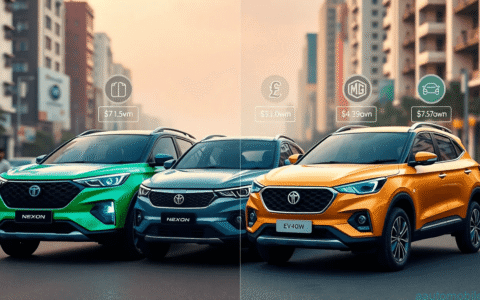
  • Vin Fast VF6 vs Tata Nexon EV vs MG ZS EV – कौन सी EV SUV है बेहतर?

    Vin Fast VF6 vs Tata Nexon EV vs MG ZS EV – कौन सी EV SUV है बेहतर?


    🔥 परिचय

    भारत का EV बाजार 2025 में तेजी से बढ़ रहा है। VinFast ने हाल ही में VF6 SUV लॉन्च की है, जो Tata Nexon EV और MG ZS EV को सीधी टक्कर देती है। आइए इन तीनों इलेक्ट्रिक SUVs की price, battery range, features और खासियतों की तुलना करते हैं।


    📊 Comparison Table – VinFast VF6 vs Tata Nexon EV vs MG ZS EV

    फीचर VinFast VF6 Tata Nexon EV (Long Range) MG ZS EV
    Price (Ex-showroom) ₹16.49 – 18.29 लाख ₹14.74 – 19.99 लाख ₹18.98 – 25.18 लाख
    Battery Capacity 59.6 kWh 40.5 – 50.3 kWh 50.3 kWh
    Range (ARAI certified) ~468 km 325 – 465 km (variant पर depend) ~461 km
    Power Output ~201 hp 129 – 145 hp 176 hp
    Top Features ADAS, 360° कैमरा, panoramic sunroof, wireless charging 12.3-inch touchscreen, connected tech, 6 airbags Panoramic sunroof, iSmart connected tech, 360° camera
    Warranty 8 years / 160,000 km (battery) 8 years / 1,60,000 km (battery) 8 years / 1,50,000 km (battery)

    Vin Fast VF6 vs Tata Nexon EV vs MG ZS EV – कौन सी EV SUV है बेहतर?
    Vin Fast VF6 vs Tata Nexon EV vs MG ZS EV – कौन सी EV SUV है बेहतर?

    ✅ VinFast VF6 – Highlights

    • Premium EV SUV competitive price पर
    • Long 468 km range
    • Futuristic features (ADAS, wireless charging, panoramic roof)
    • New brand होने के कारण resale value और service network पर सवाल

    ✅ Tata Nexon EV – Highlights

    • India की सबसे popular EV SUV
    • Wide service network + भरोसेमंद resale value
    • Multiple variants (Prime, Fearless, Empowered+)
    • Range थोड़ी कम VF6 से

    ✅ MG ZS EV – Highlights

    • Premium EV SUV, spacious cabin
    • Long range ~461 km
    • Feature-rich (iSmart connected tech, 360° कैमरा, sunroof)
    • Price थोड़ा ज्यादा है

    📌 निष्कर्ष – कौन सी EV SUV सही है?

    • Budget buyers और futuristic features चाहने वालों के लिए → VinFast VF6
    • Reliable option और strong service support चाहने वालों के लिए → Tata Nexon EV
    • Premium feel और ज्यादा space चाहने वालों के लिए → MG ZS EV

    👉 तीनों SUVs अपने-अपने segment में strong हैं। Buyers को अपनी budget और requirement के हिसाब से चुनना चाहिए।


    ❓ FAQs

    Q1. VinFast VF6 की सबसे बड़ी खासियत क्या है?
    👉 इसका premium feature set और 468 km की लंबी range, वो भी reasonable price पर।

    Q2. क्या Nexon EV अब भी सबसे भरोसेमंद EV SUV है?
    👉 हाँ, Tata का network और resale value इसे buyers की पहली पसंद बनाते हैं।

    VinFast VF6 vs Tata Nexon
    VinFast VF6 vs Tata Nexon

    Mercedes-Benz: लग्जरी, इनोवेशन और वैश्विक इतिहास की पूरी कहानी

    E20 Fuel in India 2025: नई Technology, फायदे और चुनौतियाँ

    Kia India का इतिहास – Seltos से EV9 तक का सफर

    Toyota India का इतिहास – Qualis से 2025 EV तक

    उत्सर्जन और वातावरण से जुड़े डेटा के लिए IPCC Reports देखें।


    संदर्भ और स्रोत

  • EV का भविष्य और इनोवेशन (2025–2030): भारत में इलेक्ट्रिक वाहनों की अगली क्रांति

    EV का भविष्य और इनोवेशन (2025–2030): भारत में इलेक्ट्रिक वाहनों की अगली क्रांति

    EV Future & Innovation Explained – Solar EV, Hydrogen Fuel Cell, Smart Charging, AI Cars

    भारत में इलेक्ट्रिक वाहनों (EVs) की यात्रा अब तेजी से बदल रही है। 2025 में जहां बैटरी तकनीक, चार्जिंग नेटवर्क और AI ड्राइविंग सिस्टम मुख्य भूमिका निभा रहे हैं, वहीं 2030 तक भारत एक पूरी तरह से इलेक्ट्रिक-रेडी नेशन बनने की ओर बढ़ रहा है।

    यह ब्लॉग आपके लिए EV भविष्य की पूरी गाइड है — आने वाली नई तकनीकों, हाइड्रोजन फ्यूल सेल, सोलर चार्जिंग, AI-ड्राइविंग, V2G तकनीक, और भारत की EV नीतियों पर आधारित।


    🌞 1. Solar-Powered EVs – भविष्य की Zero-Cost Mobility

    2025–2030 के बीच दुनिया Solar-Integrated EVs की तरफ बढ़ रही है।

    Solar Cars कैसे काम करेंगी?

    • कार की छत, Bonnet और Boot पर ultra-thin सोलर पैनल
    • दिनभर खड़ी रहने पर 10–15 km/day free range
    • Long trips में battery + solar hybrid power
    • Smart solar MPPT controllers से तेज conversion efficiency

    2025–2030 में भारत में Solar EV Trends:

    • Tata और Mahindra solar-integration research में active
    • Kerala, Rajasthan जैसे sunny states इसके लिए perfect
    • EV charging stations में rooftop solar installation तेज़ी से बढ़ रहा है

    Solar EV क्यों खास है?

    ✔ Zero Fuel Cost
    ✔ Zero Carbon Emission
    ✔ कम Maintenance
    ✔ Grid load कम होगा


    Hydrogen Cars Kya Hote Hain? – Fuel Cell Vehicles Explained (2025)
    Hydrogen Cars Kya Hote Hain? – Fuel Cell Vehicles Explained (2025)

    2. Hydrogen Fuel Cell EVs – EV Evolution का अगला स्टेप

    Hydrogen Fuel Cell (FCEV) भविष्य में long-distance transport का सबसे powerful विकल्प माना जा रहा है।

    Hydrogen EV कैसे काम करता है?

    • Hydrogen + Oxygen → Electricity
    • By-product = सिर्फ Water (H₂O)
    • EV battery की बजाय fuel cell और hydrogen tank

    Hydrogen EV के फायदे:

    ✔ 1000 km range possible
    ✔ 3–5 मिनट में फुल टैंक
    ✔ Heavy Trucks, Buses के लिए perfect
    ✔ Long highway routes पर ideal

    भारत की 2025–2030 Hydrogen योजनाएँ:

    • “National Hydrogen Mission” लॉन्च
    • IOCL, NTPC hydrogen refueling stations बना रहे हैं
    • Toyota Mirai pilot testing Delhi में शुरू

    🔋 3. Battery Technology Revolution (2025–2030)

    अब EV की असली ताकत उसकी Battery Technology है।

    A) LFP (Lithium Iron Phosphate)

    2025 में सबसे लोकप्रिय:
    ✔ Safe & fire-resistant
    ✔ Long cycle life
    ✔ सस्ता production

    B) Sodium-Ion Battery – 2030 का सस्ता विकल्प

    • Lithium की जगह Sodium
    • 50–60% cheaper
    • Cold-weather friendly
    • भारत में Reliance R&D में leading

    C) Solid-State Battery (SSB)

    EV Industry का असली game-changer
    ✔ 2x Energy Density
    ✔ 700–800 km range
    ✔ 10–15 मिनट में 80% charge
    ✔ Zero fire risk

    2027–28 तक commercial launch expected है।

    D) Graphene Battery (Future Tech)

    Ultra fast charging → 5 minutes
    Ultra thin design


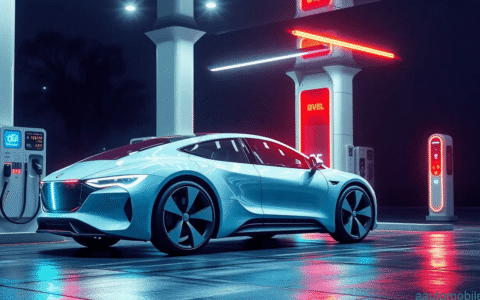
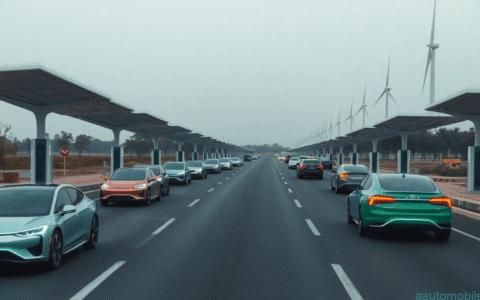
    EV charging station of the future
    EV charging station of the future

    4. Charging Technology 2025–2030: Faster, Smarter, Everywhere

    A) Ultra-Fast DC Charging (350 kW–500 kW)

    Ioniq 5, EV6 जैसे models पहले से support कर रहे हैं।
    5 मिनट = 100 km range

    B) Wireless Charging Roads & Parking

    USA + Europe में testing
    2030 तक भारत में भी introduction संभव

    • Parking में wireless pad
    • Drive करते समय भी slow wireless charging

    C) Battery Swapping 2.0

    2025–2030 में biggest use:
    ✔ 2W Delivery vehicles
    ✔ 3W Autos
    ✔ Fleet vehicles

    1 minute में battery change → Zero downtime

    D) V2G (Vehicle-to-Grid)

    EV → Grid electricity दे सकती है

    • घर में बिजली कटे तो EV घर चलाएगी
    • Grid को peak demand में backup देगी

    EV safety features for 2026 explained
    EV safety features for 2026 explained

    🚗 5. Self-Driving Electric Cars – AI-Powered Mobility

    AI और EV का combination भारत की mobility का future तय करेगा।

    Level 2–3 Autonomy (2025)

    • Lane keeping
    • Auto braking
    • Adaptive cruise control
    • Traffic jam assist

    Level 4–5 Autonomy (2030)

    • Completely driverless EV taxis
    • AI decision-making
    • Zero human intervention

    India में कौन पहुंचाएगा?

    • Tata ADAS 3.0
    • Mahindra INGLO platform
    • Ola Electric Vision Car
    • Tesla Entry (expected 2026–27)

    EV Charging Network Growth
    EV Charging Network Growth

    🏭 6. India as EV Manufacturing Hub (2025–2030)

    भारत का लक्ष्य: EV export powerhouse बनना।

    क्यों India perfect है?

    ✔ Cheap labour
    ✔ Large domestic market
    ✔ Skill development
    ✔ Gigafactories by Tata, Ola, Reliance

    2030 तक India Top-3 EV producer बन सकता है।


    🌱 7. Green Energy + EV Ecosystem: Future of India

    • Solar + Wind + Hydro integration
    • EV charging station = Solar rooftop
    • Battery recycling industries grow
    • Zero-emission cities plan (Delhi, Pune, Bengaluru)

    EV running costs in 2026 explained
    EV running costs in 2026 explained

    💰 8. EV Cost in Future – सस्ता EV, Zero Maintenance

    चलाने का खर्च 90% कम

    Petrol car → ₹8–10/km
    EV → ₹1/km

    2030 तक EV Price Drop (Estimation):

    • Battery price ↓ 40%
    • EV GST = सिर्फ 5%
    • Local manufacturing बढ़ रही है

    🚀 9. EV Market Outlook India (2030)

    2030 तक India में:
    ✔ 1 करोड़ EV/year sales
    ✔ 60% 2W EV
    ✔ 35% 3W EV
    ✔ 20% Car EV
    ✔ EV charging stations → 2 लाख+


    ❓ FAQs :

    Q1. क्या EV सोलर पावर पर चल पाएंगे?
    हाँ, 2025–2030 में solar-integrated EVs आम हो जाएँगे।

    Q2. Hydrogen EV और Battery EV में क्या अंतर है?
    Hydrogen EV fuel cell से चलता है, जबकि Battery EV rechargeable battery से।

    Q3. क्या भारत में Tesla 2025 तक आएगी?
    हाँ, 2026–27 में entry highly expected है।

    Q4. क्या EV battery सस्ती होगी?
    2030 तक 40% सस्ती होने की उम्मीद है।

    Q5. EV battery कितने समय चलती है?
    8–12 साल या 2000–3000 charge cycles।

    Q6. क्या EV highway travel कर सकती है?
    हाँ, 2025 में fast chargers हर 50 km पर लग रहे हैं।

    Q7. क्या EV आग पकड़ सकती है?
    LFP battery में risk बहुत कम है।

    Q8. EV maintenance सस्ता है?
    हाँ, 60–70% cheaper है।

    Q9. क्या EV बारिश में सुरक्षित है?
    हाँ, IP67 waterproof motors होती हैं।

    Q10. Battery swapping future है?
    2W और 3W में swapping सबसे बड़ा future model है।

    Q11. क्या भारत EV manufacturing hub बनेगा?
    हाँ, 2030 तक India दुनिया का top EV exporter बन सकता है।

    Q12. क्या हाइड्रोजन EV भारत में आएगी?
    Bus + Truck segment में तेजी से आएगी।


    Mercedes-Benz: लग्जरी, इनोवेशन और वैश्विक इतिहास की पूरी कहानी

    E20 Fuel in India 2025: नई Technology, फायदे और चुनौतियाँ

    MG India का इतिहास – Hector से 2025 EV तक

    Toyota India का इतिहास – Qualis से 2025 EV तक

    उत्सर्जन और वातावरण से जुड़े डेटा के लिए IPCC Reports देखें।


    संदर्भ और स्रोत

  • VinFast Cars in India 2025: Price, Models, Features and History

    VinFast Cars in India 2025: Price, Models, Features and History

    ब्लॉग: भारत में विनफास्ट कारें 2025 – कीमत, मॉडल, विशेषताएं और पूरी जानकारी


    🔥 परिचय

    भारत का EV बाजार लगातार बढ़ रहा है और अब इसमें Vietnam की इलेक्ट्रिक वाहन निर्माता कंपनी VinFast भी शामिल हो गई है। 2025 में VinFast ने अपने पहले models VF6 और VF7 SUVs भारत में लॉन्च किए हैं। चलिए जानते हैं कंपनी की history, India entry, models, prices और features।


    🌍 VinFast कंपनी के बारे में

    • VinFast Vietnam की सबसे बड़ी ऑटोमोबाइल कंपनी है।
    • यह Vingroup ग्रुप का हिस्सा है, जो Vietnam का सबसे बड़ा प्राइवेट corporation है।
    • कंपनी global markets जैसे US, Europe और अब India में EVs लॉन्च कर रही है।

    VinFast की India Entry

    • VinFast ने 6 September 2025 को भारत में VF6 और VF7 models लॉन्च किए।
    • कंपनी ने Thoothukudi (Tamil Nadu) में EV assembly और manufacturing unit स्थापित की है।
    • India launch के साथ VinFast ने भारतीय EV market में सस्ती लेकिन premium feature वाली SUVs पेश की हैं।

    VinFast Cars in India 2025: Price, Models, Features and History
    VinFast Cars in India 2025: Price, Models, Features and History

    🚙 VinFast Models in India 2025

    1️⃣ VinFast VF6

    • Battery & Range: ~59.6 kWh battery, लगभग 468 km range
    • Price (Ex-showroom): ₹16.49 लाख से शुरू
    • Variants: Earth, Wind, Wind Infinity (₹16.49 – ₹18.29 लाख)
    • Key Features:
      • 360° कैमरा, panoramic sunroof
      • ADAS (Advanced Driver Assistance System)
      • Wireless charging, बड़ा infotainment स्क्रीन

    2️⃣ VinFast VF7

    • Battery & Range: ~70.8 kWh battery, लगभग 532 km range
    • Price (Ex-showroom): ₹20.89 लाख से शुरू
    • Variants: Earth, Sky, Sky Infinity (₹20.89 – ₹25.49 लाख)
    • Key Features:
      • FWD और AWD ड्राइवट्रेन विकल्प
      • 19-inch alloy wheels
      • Level-2 ADAS, Head-up display (HUD)
      • Premium interiors और futuristic design

    ⭐ VinFast Cars की खास बातें

    1. Competitive Pricing – EV SUVs को premium features के साथ reasonable price पर पेश किया गया।
    2. Premium Features – Panoramic roof, ADAS, HUD, wireless charging जैसे features।
    3. Made-in-India Assembly – Tamil Nadu plant से local manufacturing, जिससे cost और availability बेहतर होगी।
    4. Long Range EVs – VF6 और VF7 दोनों models 450+ km की certified range देते हैं।
    5. Attractive Benefits – Free charging credits और maintenance packages ग्राहकों को offer किए जा रहे हैं।

    📊 Price Summary Table

    Model Range Starting Price Top Variant Price
    VF6 ~468 km ₹16.49 लाख ₹18.29 लाख
    VF7 ~532 km ₹20.89 लाख ₹25.49 लाख

    📌 निष्कर्ष

    VinFast ने भारत में EV SUV segment में एक बड़ा कदम उठाया है। VF6 और VF7 की competitive pricing और premium features इन्हें Tata, MG और Hyundai की EV SUVs का सीधा मुकाबला देती हैं। आने वाले समय में अगर VinFast छोटे और सस्ते EV models भी लॉन्च करती है, तो यह कंपनी भारत के EV बाजार में बड़ी player बन सकती है।


    ❓ FAQs

    Q1. VinFast कंपनी कहां की है?
    👉 VinFast Vietnam की EV कंपनी है और यह Vingroup ग्रुप का हिस्सा है।

    Q2. भारत में VinFast के models कौन से हैं?
    👉 फिलहाल VF6 और VF7 लॉन्च हुए हैं, जिनकी कीमत ₹16.49 लाख से ₹25.49 लाख तक है।

    भारत में इलेक्ट्रिक व्हीकल मार्केट ग्रोथ 2025 – EV का बढ़ता भविष्य


    👉 भारत में नई EV कंपनियाँ और टेक्नोलॉजी:


    संदर्भ और स्रोत

  • EV की चुनौतियाँ और समाधान 2025 – चार्जिंग, बैटरी और रेंज

    EV की चुनौतियाँ और समाधान 2025 – चार्जिंग, बैटरी और रेंज

     EV Challenges & Solutions (2025)
    EV Challenges & Solutions (2025)

    EV Challenges & Solutions (2025)

    EV को अपनाने में भारत के सामने कुछ चुनौतियाँ हैं:

    • चार्जिंग स्टेशन की कमी – हर जगह चार्जिंग सुविधा नहीं है।
    • बैटरी की ऊँची कीमत – EV अभी भी महंगे हैं।
    • रेंज की चिंता – लंबी यात्रा के लिए EV उपयोग कठिन लगता है।

    समाधान:

    • सरकार अधिक चार्जिंग स्टेशन बना रही है।
    • लोकल बैटरी उत्पादन पर ज़ोर दिया जा रहा है।
    • बैटरी स्वैपिंग और फास्ट चार्जिंग तकनीक विकसित हो रही है।

    ➡️ आने वाले वर्षों में ये चुनौतियाँ काफी हद तक कम हो जाएँगी।


    EV Challenges & Solutions FAQ:

    Q1. EV अपनाने में सबसे बड़ी समस्या क्या है?
    👉 चार्जिंग स्टेशन की कमी और बैटरी की ऊँची कीमत।

    Q2. इन चुनौतियों को हल करने के लिए सरकार क्या कर रही है?
    👉 सरकार चार्जिंग स्टेशन बना रही है और बैटरी उत्पादन को भारत में बढ़ावा दे रही है।


    E20 Fuel in India 2025: नई Technology, फायदे और चुनौतियाँ

    Kia India का इतिहास – Seltos से EV9 तक का सफर

    Toyota India का इतिहास – Qualis से 2025 EV तक

    उत्सर्जन और वातावरण से जुड़े डेटा के लिए IPCC Reports देखें।


    संदर्भ और स्रोत

  • भारत के लोकप्रिय EV मॉडल 2025 – Tata Nexon, Ola S1 Pro और अधिक

    भारत के लोकप्रिय EV मॉडल 2025 – Tata Nexon, Ola S1 Pro और अधिक

    EV Popular Models & Reviews (2025)

    🏛️ भारत में इलेक्ट्रिक व्हीकल  (2025)
    🏛️ भारत में इलेक्ट्रिक व्हीकल (2025)

    2025 में भारत में कई EV मॉडल लोकप्रिय हो चुके हैं। कुछ प्रमुख नाम हैं:

    भारत में 2025 के सबसे ज्यादा बिकने वाले इलेक्ट्रिक कार और स्कूटर मॉडल्स के बारे में जानिए। Tata Nexon EV, MG Comet EV, Ola S1 Pro और Ather 450X की खासियतें।

    2025 में भारत में कई EV मॉडल लोकप्रिय हो चुके हैं। कुछ प्रमुख नाम हैं:

    • Tata Nexon EV – भारत की सबसे ज्यादा बिकने वाली इलेक्ट्रिक कार।
    • MG Comet EV – शहरों के लिए कॉम्पैक्ट और सस्ती कार।
    • Ola S1 Pro – सबसे लोकप्रिय इलेक्ट्रिक स्कूटर।
    • Ather 450X – परफॉर्मेंस और टेक्नोलॉजी के लिए मशहूर।

    ➡️ इन मॉडलों ने EV को आम जनता तक पहुँचाने में बड़ी भूमिका निभाई है।

    EV Popular Models & Reviews FAQ:

    Q1. भारत में 2025 का सबसे लोकप्रिय EV कार मॉडल कौन सा है?
    👉 Tata Nexon EV सबसे लोकप्रिय EV कार है।

    Q2. भारत में 2025 का सबसे ज्यादा बिकने वाला EV स्कूटर कौन सा है?
    👉 Ola S1 Pro और Ather 450X सबसे ज्यादा बिकने वाले स्कूटर हैं।

    EV Popular Models & Reviews (2025)
    EV Popular Models & Reviews (2025)

    E20 Fuel in India 2025: नई Technology, फायदे और चुनौतियाँ

    Mercedes-Benz: लग्जरी, इनोवेशन और वैश्विक इतिहास की पूरी कहानी

    MG India का इतिहास – Hector से 2025 EV तक

    Kia India का इतिहास – Seltos से EV9 तक का सफर

    भारतीय ऑटोमोबाइल उद्योग के आँकड़े SIAM India से मिलते हैं।


    संदर्भ और स्रोत