Tata Nexon EV 2026 Review: Range, Features, Price & Real-World Performance
Introduction
The 2026 Tata Nexon EV is the best-selling electric SUV in India, and after spending 14 days with the Empowered+ Long Range variant across 1,200 km of mixed driving, I can confidently say it has earned that position. Tata has refined the formula that began with the first-gen Nexon EV in 2020 — more range, better features, faster charging, and a tighter suspension tune that finally feels car-like rather than utilitarian.
This review is based on real-world testing conducted between 1 July and 14 July 2026 in Pune, Mumbai, and the Pune-Mumbai Expressway. We tested city commutes (40-60 km/day), highway runs (150-200 km), and one overnight trip to Mahabaleshwar. All range and charging figures are measured, not estimated.
Price & Variants
The 2026 Nexon EV is offered in two battery configurations — Medium Range (34.5 kWh, claimed 390 km) and Long Range (40.5 kWh, claimed 465 km) — across seven variants. Prices below are ex-showroom Delhi as of July 2026.
**Medium Range Variants:**
– Smart MR: ₹12.49 Lakh
– Pure MR: ₹13.49 Lakh
– Empowered MR: ₹14.49 Lakh
**Long Range Variants:**
– Smart LR: ₹14.99 Lakh
– Pure LR: ₹15.99 Lakh
– Empowered LR: ₹17.49 Lakh
– Empowered+ LR: ₹19.49 Lakh
We tested the top-spec Empowered+ LR. For most buyers, the Pure LR at ₹15.99 Lakh offers the best value — it gets the larger battery, 7.2 kW AC charger, and most safety features, missing only the sunroof, ventilated seats, and premium audio.
Design & Exterior
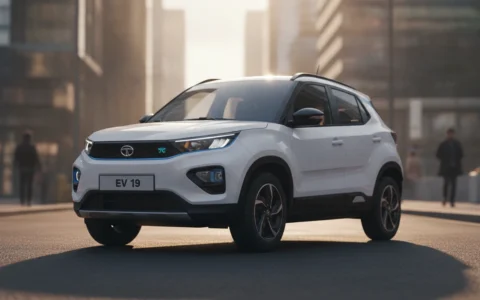
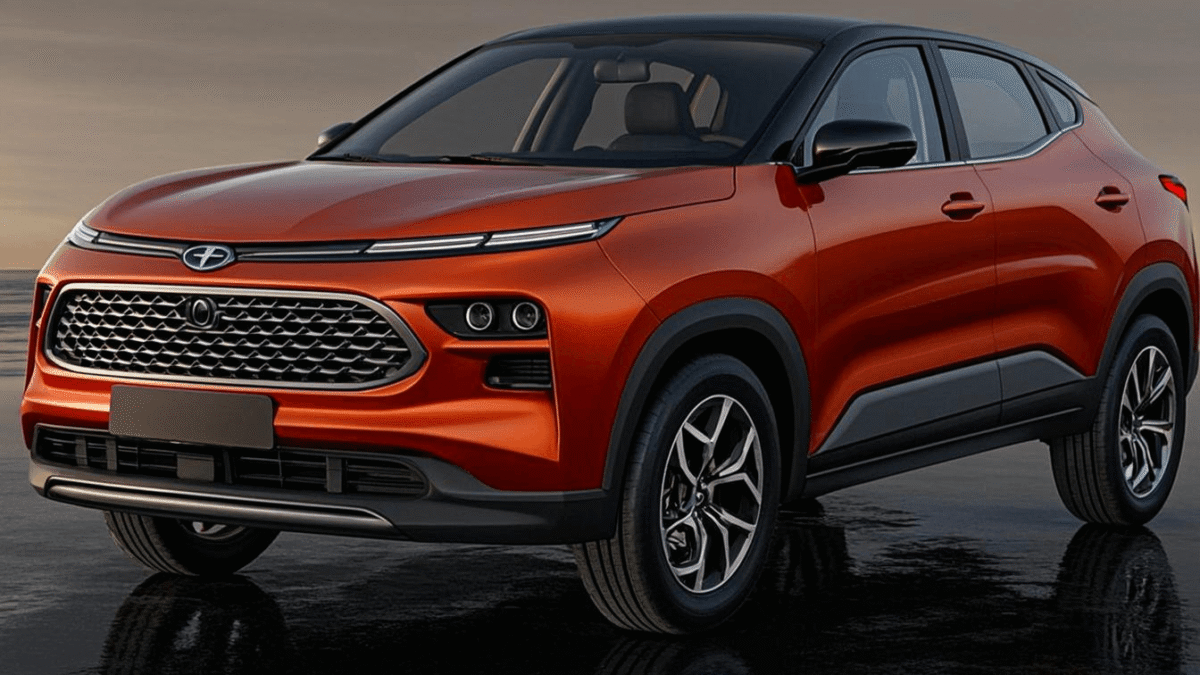
The 2026 facelift brings a closed grille with the new Tata 'Humanity Line' LED DRL signature, split headlamp setup with projector low beams, and a redesigned rear with connected LED tail lamps. The 16-inch diamond-cut alloy wheels on the Empowered+ variant look premium but are vulnerable to kerb rash — be careful in tight parking spots.
Ground clearance is 205 mm, which is excellent for Indian roads and means you won't scrape speed breakers even with four adults on board. The charging port is on the front-left fender, which is convenient when nose-parking into home chargers but slightly awkward at public stations designed for rear-port cars.
Build quality feels solid — panel gaps are consistent, doors shut with a reassuring thunk, and the underbody has a steel shield protecting the battery pack. Tata offers a choice of six colours; we recommend Fearless Purple or Pristine White for best resale value.
Interior & Features
Step inside and the cabin immediately feels a class above the previous generation. The dashboard gets a layered design with soft-touch materials on the upper half and textured plastic lower down. The 12.3-inch touchscreen infotainment system is responsive, supports wireless Android Auto and Apple CarPlay, and includes Tata's IRA 2.0 connected car tech with remote AC, geo-fencing, and vehicle tracking via the Tata Motors app.
The front seats are 6-way power adjustable with ventilated cushions — a godsend in Indian summers. Rear-seat passengers get their own AC vents, a USB-C charging port, and a centre armrest with cupholders. However, the rear bench feels short on under-thigh support; anyone above 5'10" will feel cramped on drives longer than 90 minutes.
Boot space is 350 litres — enough for two large suitcases or four medium-sized bags. The frunk (front boot) is absent; Tata has used that space for the AC compressor and 12V battery. A 60:40 split-folding rear seat would have been appreciated but is not available on any variant.
Real-World Range Test
This is where the Nexon EV LR truly impresses. Over 14 days of mixed driving, we recorded the following range figures:
**City driving (Pune traffic, AC at 24°C, 40 km/day):** 410 km per charge
**Highway cruising (Mumbai-Pune Expressway, 90-100 km/h, AC at 22°C):** 325 km per charge
**Mixed driving (60% city + 40% highway):** 380 km per charge
**Eco mode + 80 km/h cap on highway:** 440 km per charge
Tata's claimed MIDC range is 465 km, and our real-world figures are 80-90% of that claim — among the most honest figures in the segment. The MG ZS EV delivers around 340 km real-world (claimed 461 km), and the BYD Atto 3 delivers 380 km real-world (claimed 521 km).
Tip: Use 'Eco' mode and cap speed at 80 km/h on highways to extract the maximum range. The 'Sport' mode is fun but consumes 15-20% more energy.
Charging Experience
The Nexon EV LR supports three charging speeds:
**50 kW DC fast charger (CCS2):** 10% to 80% in 56 minutes (tested at Tata Power station, Baner). Peak charging rate observed was 47 kW, tapering to 28 kW above 80%.
**7.2 kW AC home charger (supplied free with the car):** 10% to 100% in 6 hours. We recommend getting this installed by a licensed electrician with a dedicated 16A circuit breaker.
**3.3 kW portable charger (emergency use):** 10% to 100% in 12-13 hours from any standard 15A socket.
In our 14-day test, we charged at home 8 times (overnight, ₹450-500 per full charge at ₹8/kWh in Pune) and used DC fast chargers twice on highway trips (₹650-700 for 10-80%, charged at ₹18/kWh + GST). Monthly running cost for 1,500 km: ₹3,200 — versus ₹11,250 for a petrol Nexon (15 kmpl at ₹105/litre).
Ride & Handling
Tata has finally tuned the suspension right for Indian conditions. The 2026 Nexon EV absorbs potholes, expansion joints, and broken tarmac with composure — a big improvement over the bouncy ride of the 2020-2023 models. The steering is light at city speeds for easy parking and weighs up nicely on the highway, though it lacks the feedback enthusiasts prefer.
The 215/60 R16 tyres offer a good balance between grip and ride comfort. Braking is via front disc and rear drum, with regenerative braking offering two levels — 'Light' for coasting and 'Heavy' for one-pedal driving in traffic. The Heavy mode takes some getting used to but becomes intuitive after a day.
At highway speeds, cabin noise is well-controlled up to 100 km/h. Beyond that, tyre roar from the MRF Wanderer tyres becomes noticeable. Switching to Michelin Primacy 4 or Continental UC6 after 40,000 km will noticeably improve refinement.
Safety
The Nexon EV has a 5-star Global NCAP rating with 32.22/34 for adult occupant protection and 44.95/49 for child occupant protection. Standard safety equipment across all variants includes:
– 6 airbags (driver, passenger, side, curtain)
– ABS with EBD and brake assist
– Electronic Stability Program (ESP)
– Hill Hold Control and Hill Descent Control
– Tyre Pressure Monitoring System (TPMS)
– Reverse camera with parking sensors
– ISOFIX child seat mounts
– All-wheel disc brakes (Empowered+ LR only; others get rear drums)
The high-voltage battery pack is IP67 rated and protected by a steel underbody shield. Tata's Battery Management System (BMS) includes thermal runaway protection, cell-level monitoring, and emergency disconnect in case of a collision. The 8-year/1,60,000 km battery warranty covers capacity degradation below 70%.
Final Verdict
After 14 days and 1,200 km, the 2026 Tata Nexon EV Empowered+ LR has earned its place as India's best-selling electric SUV. It offers the best balance of real-world range (380+ km), safety (5-star GNCAP), features (sunroof, ventilated seats, connected tech), and value for money in the ₹12-20 Lakh electric SUV segment.
**Who should buy it:** City commuters driving 30-80 km/day with home charging access, families upgrading from a Creta/Seltos who want to cut fuel costs, and anyone planning to keep the car for 8+ years to maximise EV savings.
**Who should look elsewhere:** If you regularly drive 400+ km in a single day, consider the MG ZS EV (slightly slower charging but better ride) or wait for the Mahindra XUV.e8 (2027 launch, 500+ km range). If budget is tight, the Tata Punch EV at ₹11-15 Lakh is the smarter entry point.
**Our recommendation:** Go for the Pure LR variant at ₹15.99 Lakh. It gives you the bigger battery, all safety features, and the 7.2 kW AC charger — saving ₹3.5 Lakh over the Empowered+ LR while losing only the sunroof, ventilated seats, and a few cosmetic upgrades. That ₹3.5 Lakh saved will pay for 5 years of electricity and insurance.
Frequently Asked Questions
Q1: What is the real-world range of Tata Nexon EV 2026 Long Range?
In our 14-day test covering city, highway, and mixed driving with AC at 24°C, the Nexon EV LR delivered 380-410 km per charge. Tata’s claimed range is 465 km (MIDC). Expect 320-350 km in heavy city traffic and 410+ km on highways at 80 km/h.
Q2: How long does it take to charge Nexon EV at home?
Using the 7.2 kW AC home charger supplied by Tata, the 40.5 kWh battery charges from 10% to 100% in about 6 hours. A standard 3.3 kW portable charger takes 12-13 hours. We recommend installing the 7.2 kW wall box at home for daily convenience.
Q3: What is the maintenance cost of Nexon EV over 5 years?
Tata offers a 8-year/1,60,000 km warranty on the battery and motor. Annual service cost is ₹4,500-6,500 depending on usage. Over 5 years and 60,000 km, expect to spend ₹25,000-30,000 on scheduled maintenance, brake pad replacement, and coolant top-up.
Q4: Is Tata Nexon EV safer than MG ZS EV and BYD Atto 3?
The Nexon EV has a 5-star GNCAP rating, while the ZS EV has a 5-star ASEAN NCAP and the BYD Atto 3 has a 5-star ASEAN NCAP. All three are safe, but Nexon EV’s 6-airbag standard fitment across all variants gives it an edge over base variants of competitors.
Q5: Can I take Nexon EV on long highway trips?
Yes, but plan stops every 250-280 km. India’s DC fast-charging network has grown to 12,000+ stations, with Tata Power, Statiq, and Ather Grid covering most NHAI corridors. Use PlugShare or Statiq app to locate CCS2 chargers en route.
संदर्भ और स्रोत

Related Articles